Car Wrapping vs PPF vs Vinyl: Which Should You Choose?
Car wrapping, vinyl wrap and paint protection film are often discussed as if they are interchangeable. They are not. Vinyl wrap is mainly used to change a vehicle's appearance, while PPF is engineered primarily to protect the paint. Coloured PPF sits between the two, combining a new finish with a stronger protective layer.
If you are deciding what to put on your car, the right choice depends on what you want the film to achieve. This guide compares standard vinyl wrapping, clear PPF and coloured PPF so you can understand the differences before choosing a solution. For drivers considering professional installation in Sydney, 1Stop also provides car wrapping and PPF services in Blacktown using 3M and Avery materials.
Car Wrapping, PPF and Vinyl: What Is the Actual Difference?
The first distinction is terminology. In everyday automotive use, car wrapping usually means applying an adhesive vinyl film to the painted panels of a vehicle. A full vinyl wrap can change almost the entire visible exterior, while a partial wrap can target individual areas such as the roof, bonnet, mirrors or selected panels.
Paint protection film, or PPF, is a different type of film. PPF is commonly made from thermoplastic polyurethane and is designed to act as a sacrificial protective layer over the paint. Its job is to take damage from stone chips, minor abrasion and environmental contamination before that damage reaches the painted surface underneath.
Traditional PPF is clear, but that is no longer the only option. Modern coloured PPF combines a colour-changing finish with the protective characteristics expected from paint protection film. This is why a modern comparison is not simply "wrap or PPF". Drivers can now choose between styling-focused vinyl, nearly invisible clear PPF, and coloured PPF that aims to deliver both appearance and protection.
Vinyl Wrap vs Clear PPF vs Coloured PPF at a Glance
| Factor | Vinyl Wrap | Clear PPF | Coloured PPF |
|---|---|---|---|
| Main purpose | Visual customisation | Paint protection | Visual change plus paint protection |
| Changes vehicle colour | Yes | Normally no | Yes |
| Stone-chip protection | Limited | High compared with standard vinyl | High compared with standard vinyl |
| Minor scratch resistance | Provides a surface barrier, but protection is limited | Designed to resist everyday surface damage | Designed to resist everyday surface damage |
| Original paint remains visible | No when the panel is wrapped | Yes | No when coloured film covers the panel |
| Finish flexibility | Very broad range of colours, textures and finishes | Primarily clear, gloss or matte paint preservation | Growing range of colours and finishes |
| Partial coverage possible | Yes | Yes | Yes, depending on the intended visual result |
| Best suited to | Drivers prioritising appearance and customisation | Drivers prioritising factory-paint preservation | Drivers wanting a new look with stronger protection |
What Is Vinyl Car Wrapping?
A vinyl car wrap is a thin adhesive film applied over the vehicle's painted panels. Its biggest advantage is visual flexibility. Instead of repainting the car, a wrap can change the colour, finish or selected design elements while leaving the original paint underneath.
Vinyl can be used for a full car wrap or for smaller custom changes. Common partial applications include roofs, bonnets, mirrors, stripes and contrasting accent panels. 1Stop's current wrapping service includes full and partial wraps and offers more than 50 colour and texture options.
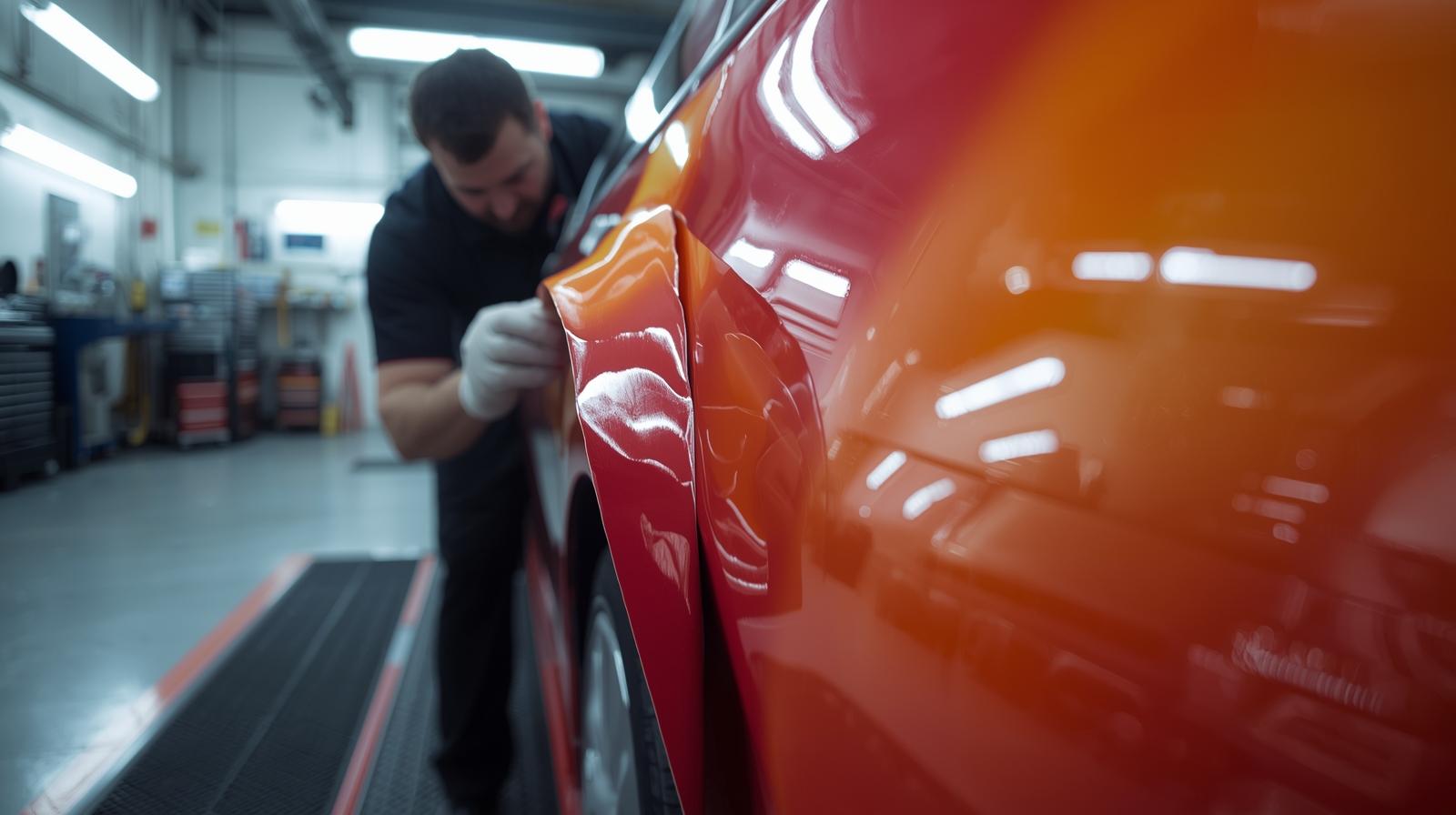
Vinyl does add a physical layer over the paint, so it can help isolate the surface from light contact, grime and environmental exposure. However, it should not be treated as the equivalent of PPF for stone-chip and impact protection. Standard wrap film is chosen mainly for appearance.
Good fit for colour changes
Vinyl is well suited to drivers who want a noticeably different colour or finish without permanently repainting the vehicle.
Good fit for custom styling
Roofs, bonnets, mirrors and other selected panels can be wrapped independently to create contrast or subtle design changes.
Not a substitute for PPF
Vinyl can provide a useful surface barrier, but it is not engineered to absorb road impact in the same way as paint protection film.
What Is Clear Paint Protection Film?
Clear PPF is designed for drivers who like the existing paint colour but want an additional protective layer over it. Avery Dennison describes PPF as a clear thermoplastic urethane film used to help protect vehicle paint from stone chipping, bug contamination, bird droppings and other environmental exposure.
Unlike a standard vinyl colour wrap, PPF is built with paint preservation as its primary purpose. It can be installed on the entire vehicle or concentrated on areas that receive the greatest road exposure, such as the front bumper, bonnet, guards and side mirrors.
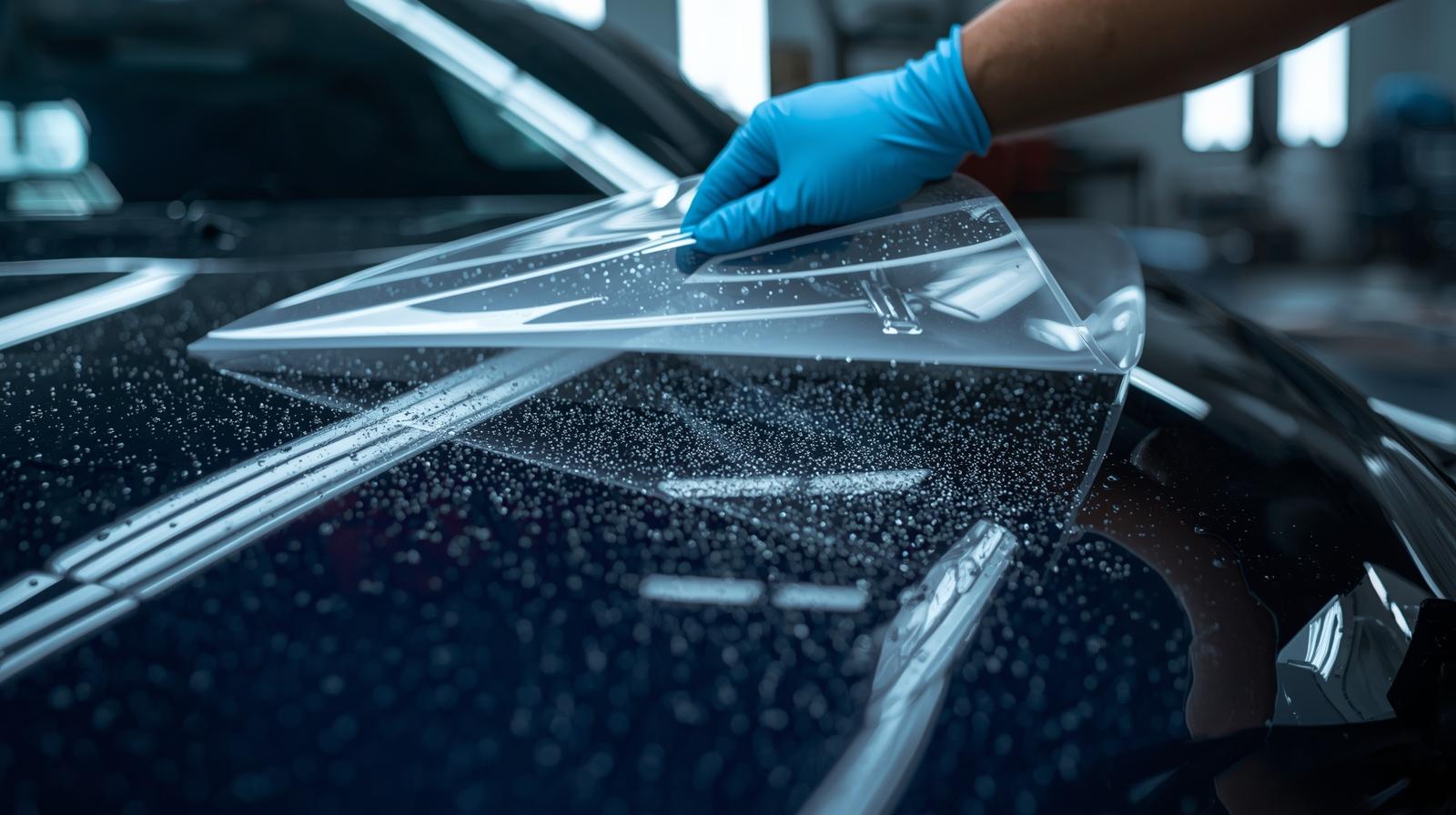
That makes clear PPF particularly relevant for newer vehicles, enthusiast cars and vehicles where maintaining the original finish is a priority. It is also useful for daily-driven cars that regularly encounter motorway debris, tight parking environments or other situations where minor surface damage is more likely.
What Is Coloured PPF?
Coloured PPF is the option that most clearly overlaps with vinyl wrapping. It changes the exterior appearance while using a protective film designed to defend the underlying paint. In other words, it addresses the two main reasons people consider film in the first place: style and paint protection.
Film manufacturers have expanded this category substantially. Avery Dennison, for example, now offers coloured polyurethane PPF systems designed for full vehicle colour transformation while providing protection against chips, scratches and environmental staining.
Coloured PPF does not automatically make vinyl obsolete. Vinyl still has an exceptionally broad styling ecosystem and remains a strong option when appearance is the main objective. Coloured PPF makes more sense when the owner wants the visual change but also places a higher priority on physical paint protection.
Which Protects Your Paint Better: Vinyl Wrap or PPF?
If paint protection is the main objective, PPF is the more purpose-built option. Clear and coloured PPF are designed to act as a sacrificial layer between road hazards and the paint. Standard vinyl wrap is thinner and is primarily engineered for appearance.
This distinction matters most at the front of the car. Stone chips commonly affect the bumper, bonnet, guards and mirrors. PPF can be applied specifically to these high-impact areas without requiring full-body coverage.
Which Gives You More Styling Options?
For pure visual variety, vinyl wrapping remains the most flexible choice. Modern wrap films are available in gloss, satin, matte and textured finishes, along with a wide range of colours and accent possibilities. 1Stop currently offers more than 50 colours and textures through its wrapping service.
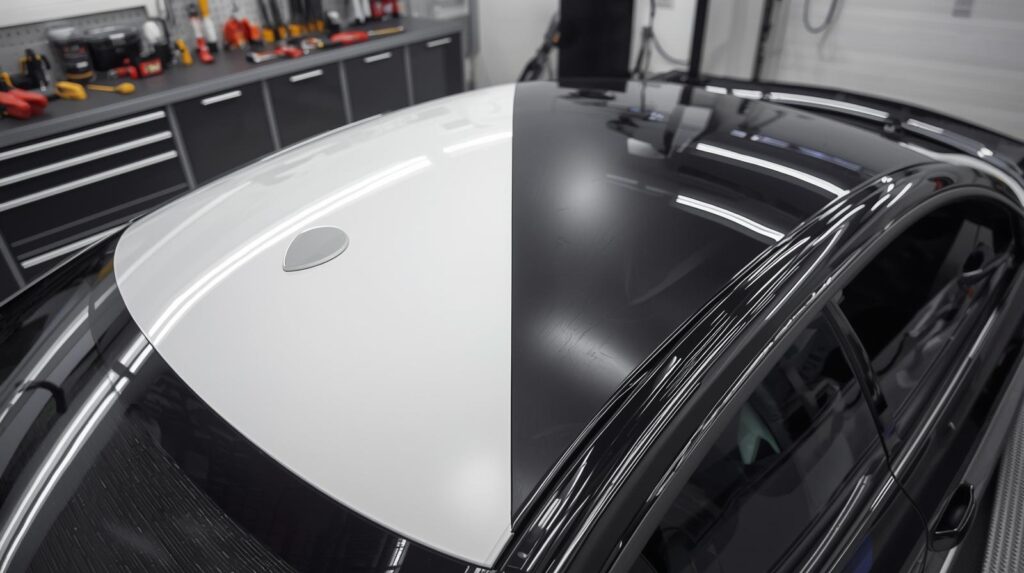
Coloured PPF is narrowing the gap because it can now deliver strong colour saturation and paint-like finishes while retaining the protective role of PPF. Even so, the exact colour and finish range depends on the manufacturer and product line, so customers looking for a very specific texture or visual effect may still find more choice in vinyl.
How Long Do Vinyl Wrap and PPF Last?
There is no single lifespan that applies to every wrap or PPF installation. Durability depends on the film, panel orientation, installation, vehicle storage, cleaning habits, UV exposure and environmental conditions.
For its own wrapping service, 1Stop states that a professionally installed wrap can last around 5 to 7 years with proper care. Manufacturer warranties can vary significantly by product and by where the film is installed. Horizontal areas such as roofs and bonnets can experience more direct environmental exposure than vertical doors and quarter panels.
PPF durability also depends on the specific product. Some modern products carry long manufacturer warranty periods, but it is better to judge the exact film being installed rather than assuming that every PPF product has the same lifespan.
How Australian Driving Conditions Affect Wraps and PPF
Australian vehicles can experience prolonged sun exposure, heat, dust, road grime, insects, bird droppings, tree sap and highway debris. Those conditions make film selection important, but they also make maintenance important.
Strong UV exposure and heat can accelerate ageing when a vehicle spends most of its life outdoors. Contaminants can also stain or damage film if they remain on the surface for too long. Garaging or shaded parking where practical, regular cleaning and prompt removal of contaminants can all help preserve both wrap film and PPF.
For Sydney drivers who frequently travel on motorways or busy arterial roads, PPF may be particularly useful on high-impact front sections. For vehicles used mainly for urban driving where the owner wants a distinctive appearance, vinyl or coloured PPF may be more relevant depending on the desired level of protection.
Can You Combine Vinyl Wrap and PPF?
Yes, in some installations the two films can be used together. For example, a vehicle may receive a vinyl colour wrap for appearance and then use compatible PPF over selected high-impact areas. Another approach is to skip the separate colour layer and use coloured PPF where the chosen product already delivers the desired finish.
Film compatibility, adhesive behaviour and installation order matter, so this should be planned with the installer rather than treated as a do-it-yourself layering exercise. The exact approach depends on the products being used and the panels being protected.
Does the Condition of Your Paint Matter Before Wrapping or PPF?
Yes. Film covers paint, but it does not repair it. A clean, stable and properly prepared surface helps the adhesive bond consistently and also affects how smooth the final result looks.
Dirt, wax residue, tar and other contamination need to be removed before installation. Existing chips, peeling clear coat, poorly bonded repaint work or significant surface defects should also be assessed before film is applied. A wrap can hide a colour, but it should not be expected to correct damaged paint underneath.
Where the paint has swirl marks, oxidation or correctable surface defects, professional paint correction and restoration may be worth considering before the vehicle is wrapped or protected. The goal is to start with the best suitable surface rather than sealing avoidable defects under the film.
Car Wrap or PPF: Which Should You Choose?
The most useful way to decide is to start with the outcome you want rather than the product name.
Choose standard vinyl wrapping if...
- You mainly want to change the colour or finish.
- You want a wide range of styling choices.
- You are considering a full or partial visual transformation.
- Heavy impact protection is not your main objective.
Choose clear PPF if...
- You like the existing factory colour.
- Your priority is protecting the paint from chips and everyday wear.
- You want protection on high-impact areas or the full vehicle.
- You prefer a discreet, near-original appearance.
Choose coloured PPF if...
- You want to change the vehicle's appearance.
- You also want stronger physical paint protection than standard vinyl normally provides.
- You can find a colour and finish that suits your design goal.
- You prefer one film system to address both appearance and protection.
Consider partial coverage if...
- You only want a roof, bonnet, mirrors or other accents wrapped.
- You only need PPF on high-impact areas.
- You want to combine targeted protection with your existing paint or wrap design.
How Should You Care for Vinyl Wrap and PPF?
Good maintenance helps both products look better for longer. 3M recommends regular cleaning, prompt removal of contaminants and hand washing where possible. It also advises choosing a touchless wash rather than a brush wash when hand washing is not practical, because aggressive brushes can scratch film or lift edges.
A practical care routine includes:
- Wash the vehicle regularly rather than allowing heavy grime to build up.
- Remove bird droppings, tree sap, insects and fuel spills promptly.
- Avoid abrasive pads and aggressive scrubbing.
- Dry the film after washing to reduce spotting.
- Use shaded or covered parking where practical to reduce prolonged heat and UV exposure.
- Follow the film manufacturer's instructions for pressure washing, chemicals and post-installation curing time.
If you prefer professional maintenance, a gentle hand car wash is generally better suited to wrapped and PPF-protected surfaces than an aggressive brush wash.
For manufacturer-specific care guidance, see 3M's vehicle film care guidance.
If You Change Your Car's Colour in NSW, Check the Registration Details
A full vinyl wrap or coloured PPF can substantially change how a vehicle is described by colour. Service NSW includes vehicle colour among the details that can be changed on a vehicle record and notes that an inspection report may not be required when colour is the only detail being changed.
If your wrap or coloured PPF changes the recorded colour of the vehicle, check the current Service NSW vehicle-detail requirements and update the record where required.
Frequently Asked Questions
Is PPF better than vinyl wrap?
Not for every purpose. PPF is better suited to physical paint protection, while vinyl wrap is better suited to broad colour and finish customisation. Coloured PPF combines elements of both.
Does vinyl wrap protect against stone chips?
Vinyl provides a film layer over the paint, but standard wrap film is not designed for stone-chip protection to the same level as PPF. If stone chips are a major concern, PPF is the more appropriate product.
Can PPF come in different colours?
Yes. Clear PPF is still widely used, but coloured PPF is now available from major film manufacturers. It can change the vehicle's appearance while also providing the protective characteristics of PPF.
Can you put PPF over a vinyl-wrapped car?
It can be possible with compatible film systems, especially on selected high-impact areas. The installer should confirm product compatibility and the correct installation sequence before layering films.
Can car wrapping damage factory paint?
Quality film installed and removed correctly from sound original paint is intended to be removable. The risk can be different on poorly repaired, peeling or improperly cured paint, so the paint condition should be checked before installation.
How should you wash a wrapped or PPF-protected car?
Hand washing is generally the safest routine. Use suitable cleaning products, avoid abrasive tools, remove contaminants quickly and follow the care instructions supplied for the exact film installed.
The Bottom Line
There is no universal winner between car wrapping, clear PPF and coloured PPF because each solves a different problem. Vinyl is the strongest choice for styling freedom, clear PPF is the strongest choice for preserving the existing finish, and coloured PPF is the middle ground for drivers who want both a new appearance and stronger paint protection.
The best decision comes from considering how the vehicle is used, how much of it needs coverage, the condition of the existing paint and whether appearance or protection matters more to you.
Technical references used in this guide include Avery Dennison's PPF guidance and Avery Dennison's current clear and coloured PPF portfolio.
Not Sure Which Option Suits Your Car?
If you are comparing vinyl wrap, clear PPF or coloured PPF, speak with the 1Stop Car Wash team and explain what you want to achieve. They can help you compare the options based on your vehicle, paint condition, preferred finish and protection goals.
Explore Car Wrapping and PPF